Added
Jul 7, 2026
Views
1497
Description:
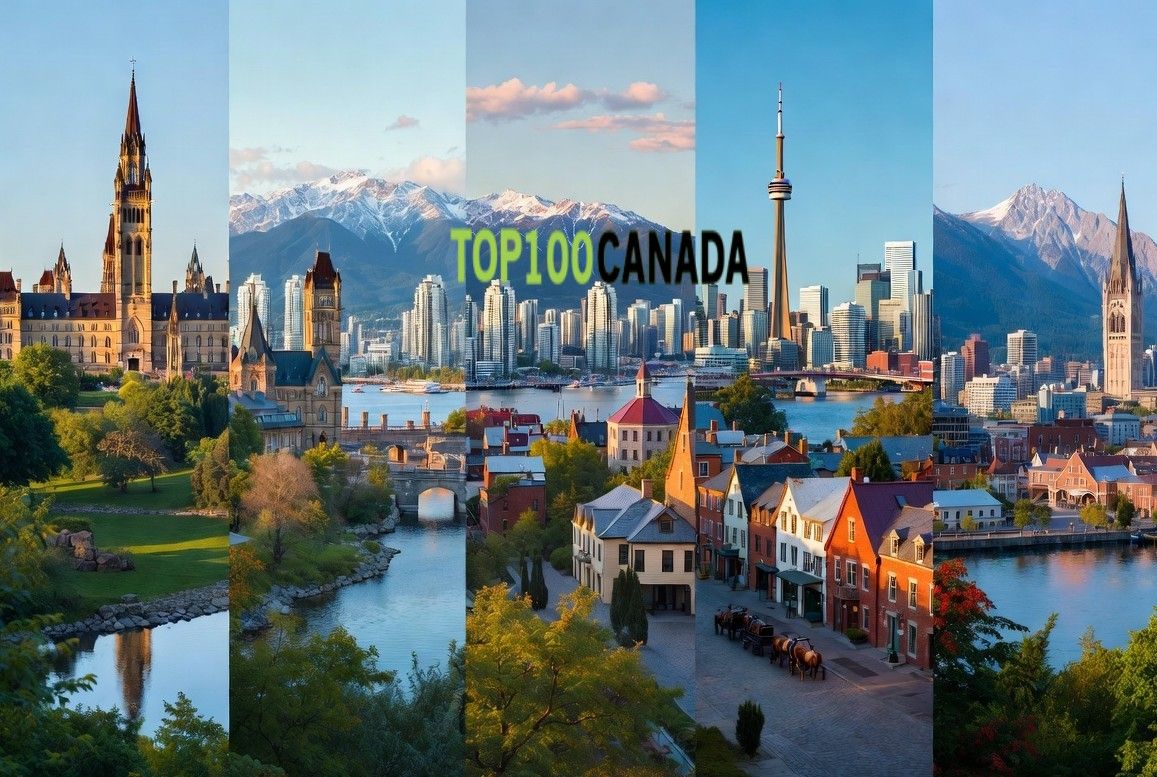
Canada continues to rank among the world’s most desirable countries for residents seeking stability, opportunity, and an exceptional quality of life. In 2026, major quality-of-life indices, including Numbeo data, highlight several Canadian cities for strong performances in safety, healthcare access, economic opportunity, education, and cultural vibrancy. Housing market reports from sources such as CREA and local real estate boards provide current context on affordability.
This guide presents the 10 best cities to live in Canada in 2026, evaluated across key factors: cost of living and housing, job markets, healthcare and education systems, climate and lifestyle, and drawing on extensive coverage of festivals, music, film, and performing arts—the strength of each city’s entertainment and cultural scene. The ranking reflects a composite view informed by recent livability data, with particular attention to cities that balance professional prospects and creative vitality.
City | Avg. Home Price (CAD) | Est. Monthly COL (Single, excl. rent) | Primary Strengths
Ottawa, ON | $650,000–$720,000 | $1,400–$1,600 | Balanced QoL, stable jobs, safety
Vancouver, BC | $1,100,000+ | $1,600–$1,900 | Nature + urban amenities, film industry
Montreal, QC | $675,000 | $1,300–$1,500 | Cultural depth, affordability, festivals
Calgary, AB | $600,000–$665,000 | $1,400–$1,600 | Economic growth, outdoor lifestyle, Stampede
Quebec City, QC | $500,000 | $1,200–$1,400 | Historic charm, safety, low costs
Toronto, ON | $950,000–$1,070,000 | $1,600–$1,900 | Entertainment capital, diverse opportunities
Halifax, NS | $600,000–$629,000 | $1,300–$1,500 | Coastal quality of life, emerging arts
Victoria, BC | $850,000–$950,000 | $1,400–$1,600 | Mild climate, high livability
Edmonton, AB | $490,000–$492,000 | $1,200–$1,400 | Affordable growth, strong festivals
Kelowna, BC | $900,000–$1,000,000+ | $1,300–$1,500 | Lifestyle, wine country, outdoors
Sources synthesized from 2026 housing reports and cost-of-living indices. Actual figures vary by neighbourhood and property type.
Ottawa tops multiple 2026 quality-of-life rankings for its exceptional balance of professional stability, safety, and resident well-being. The city benefits from a robust public sector and growing technology ecosystem, providing consistent employment opportunities with competitive salaries.
Housing remains more accessible than in Toronto or Vancouver, with average prices in the $650,000–$720,000 range. Monthly costs for a single person (excluding rent) typically fall between $1,400 and $1,600. Healthcare infrastructure is strong, supported by major hospitals and research institutions, while educational options include the University of Ottawa and Carleton University.
Cultural and entertainment highlights include the RBC Bluesfest, Winterlude, and performances at the National Arts Centre. The presence of national museums and galleries offers year-round enrichment. Residents enjoy extensive green spaces, including the Rideau Canal and proximity to Gatineau Park. Winters are cold but manageable, with four distinct seasons supporting both urban and outdoor pursuits. Ottawa suits professionals, families, and those seeking a cultured yet unhurried environment.
Vancouver consistently ranks among North America’s most desirable cities due to its integration of cosmopolitan amenities with unparalleled access to mountains, ocean, and forests. The film and digital entertainment industries thrive here, earning the city the nickname “Hollywood North.”
Housing costs remain elevated, with average prices exceeding $1.1 million. Cost of living for a single person (excluding rent) ranges from $1,600 to $1,900 monthly. The job market spans technology, film production, tourism, and international trade. Healthcare and education systems rank highly, with institutions such as the University of British Columbia.
Entertainment offerings feature a vibrant independent film sector, major music events, and a dynamic dining and nightlife scene. The city’s mild, rainy winters and spectacular summers enhance outdoor festivals and cultural programming. Challenges include higher housing costs, yet many residents value the lifestyle premium. Vancouver appeals particularly to creative professionals and those prioritizing wellness alongside career growth.
Montreal delivers outstanding cultural depth at a more accessible price point than many peer cities. It ranks highly in livability metrics for its bilingual environment, artistic energy, and relative affordability.
Average home prices hover around $675,000. Monthly costs for a single person (excluding rent) are approximately $1,300–$1,500. The economy benefits from aerospace, technology, gaming, and creative industries. World-class healthcare and educational institutions, including McGill University and Université de Montréal, add significant appeal.
Entertainment credentials are formidable: the Montreal International Jazz Festival is among the world’s largest, complemented by Osheaga, Just for Laughs, and a thriving indie music and theatre scene. The city’s historic neighbourhoods, diverse culinary landscape, and vibrant nightlife foster creativity. Winters are cold, yet the cultural calendar remains active. Montreal suits artists, young professionals, and families seeking European-style urban living within North America.
Calgary offers strong economic prospects, particularly in energy, technology, finance, and tourism, alongside a renowned quality of life and lower taxes relative to other provinces.
Average home prices range from $600,000 to $665,000. Cost of living for a single person (excluding rent) is approximately $1,400–$1,600 monthly. The city maintains excellent healthcare facilities and educational options, including the University of Calgary.
Entertainment highlights centre on the Calgary Stampede—“The Greatest Outdoor Show on Earth”—which draws global attention with rodeo, concerts, and parades. The city supports a growing music and arts scene alongside professional sports. Proximity to the Rocky Mountains enables exceptional outdoor recreation. Four-season weather includes chinook winds that moderate winters. Calgary attracts career-oriented individuals and families who value both professional advancement and active lifestyles.
Quebec City combines Old World charm with modern livability, frequently ranking among Canada’s safest and most affordable major centres.
Average home prices are approximately $500,000. Monthly costs for a single person (excluding rent) range from $1,200 to $1,400. Employment centres on government, tourism, education, and technology. Healthcare and educational systems are robust, with Laval University providing academic excellence.
Cultural attractions include the renowned Quebec Winter Carnival, a rich performing arts calendar, and historic sites that double as entertainment venues. The walled city’s pedestrian-friendly core and European ambiance support a lively yet relaxed lifestyle. Cold, snowy winters enhance seasonal festivities. Quebec City is ideal for those seeking cultural immersion, safety, and a slower pace within a sophisticated setting.
As Canada’s largest city and financial centre, Toronto offers unmatched professional diversity and creative industry access. It remains a top destination despite higher costs.
Average home prices range from $950,000 to $1.07 million in the GTA. Monthly costs for a single person (excluding rent) are $1,600–$1,900. The economy spans finance, technology, film, television, music, and publishing. World-class healthcare and numerous universities, including the University of Toronto, provide strong foundations.
Entertainment prominence Is unmatched: the Toronto International Film Festival (TIFF) is a global highlight, alongside major music festivals, theatre districts, professional sports, and a diverse nightlife scene. The city’s multiculturalism fuels constant cultural innovation. Cold winters contrast with vibrant indoor programming. Toronto suits ambitious professionals and creatives who thrive in a dynamic, high-energy environment.
Halifax delivers strong quality-of-life metrics through its maritime setting, community focus, and improving economic conditions.
Average home prices are approximately $600,000–$629,000. Monthly costs for a single person (excluding rent) range from $1,300 to $1,500. Key sectors include ocean technology, education, tourism, and creative industries. Healthcare and educational institutions, notably Dalhousie University, are well-regarded.
Cultural scene features Atlantic Canadian music traditions, waterfront festivals, and a growing independent arts community. The city’s compact, historic core supports walkable entertainment options. Milder winters and proximity to the ocean enhance lifestyle appeal. Halifax attracts those seeking coastal living with authentic community character and emerging professional opportunities.
Victoria consistently appears in top livability rankings due to its temperate climate, natural beauty, and high resident satisfaction.
Average home prices range from $850,000 to $950,000. Monthly costs for a single person (excluding rent) are approximately $1,400–$1,600. The economy includes tourism, technology, education, and government services. Healthcare and educational options, anchored by the University of Victoria, are excellent.
Entertainment and lifestyle benefit from a thriving arts community, theatre, music venues, and year-round outdoor festivals enabled by the mild climate. The city’s gardens, harbour, and proximity to Vancouver Island’s wilderness provide exceptional recreational opportunities. Victoria appeals to retirees, families, and professionals prioritizing wellness and scenic surroundings.
Edmonton offers compelling value through lower housing costs and a robust calendar of cultural events, supporting strong livability for its size.
Average home prices are approximately $490,000–$492,000. Monthly costs for a single person (excluding rent) range from $1,200 to $1,400. The economy encompasses energy, technology, manufacturing, and education. Healthcare and institutions such as the University of Alberta are significant assets.
Entertainment strengths include the Edmonton International Fringe Festival (North America’s largest), music events, and a revitalized arts district. The city’s river valley and extensive parkland support outdoor activities. Cold winters are offset by indoor cultural programming and community spirit. Edmonton suits budget-conscious professionals and families who value cultural richness and space.
Kelowna represents an attractive mid-sized option combining economic opportunity, natural beauty, and a relaxed yet cultured atmosphere.
Average home prices range from $900,000 to $1 million or more for single-family homes. Monthly costs for a single person (excluding rent) are approximately $1,300–$1,500. Key sectors include agriculture (notably wine), tourism, technology, and healthcare. Educational and medical facilities continue to expand.
Lifestyle and entertainment centre on wine country festivals, live music events in vineyard settings, and extensive outdoor recreation around Okanagan Lake. The climate features hot summers and relatively mild winters. Kelowna attracts those seeking a high-quality lifestyle with professional prospects and strong community ties.
The best cities to live in Canada in 2026 each offer distinct advantages. Ottawa leads for overall balance and stability. Vancouver and Toronto excel for those pursuing high-impact careers in entertainment, film, or finance, despite higher costs. Montreal and Quebec City deliver exceptional cultural value and affordability. Calgary and Edmonton provide economic strength with more accessible housing. Halifax, Victoria, and Kelowna offer enviable lifestyle qualities suited to different life stages.
Personal priorities should guide the decision: creative professionals may prioritize Toronto or Montreal for industry access; families often favour Ottawa or Victoria for safety and schools; outdoor enthusiasts gravitate toward Vancouver, Calgary, or Kelowna. All listed cities benefit from Canada’s universal healthcare framework and commitment to multiculturalism.
For those exploring relocation or investment in these markets, consulting current real estate data and visiting in person remains advisable. Top 100 Canada continues to provide in-depth coverage of lifestyle, culture, and opportunity across the country.
Ottawa and Victoria frequently rank highest for family considerations due to safety, education quality, healthcare access, and community amenities.
Toronto and Montreal stand out for the depth and international recognition of their film, music, and festival offerings.
Market reports indicate modest national growth or stabilization in 2026, with variations by city. Major centres such as Toronto and Vancouver may experience continued pressure, while more affordable markets offer relative value.
Most Canadian cities experience cold winters; however, cultural programming, infrastructure, and community events mitigate seasonal challenges. Victoria and parts of coastal British Columbia offer milder conditions.
Canada Entertainment

Top Destination for Green Tourism Category : Green Tourist
Atikokan: The Ultimate Green Tourism Destination in Canada Looking for an eco-friendly adventure? Atikokan, Ontario, is one of the best places for green tourism in Canada. Derived from the Ojibwa-Chippewa language, the name “Atikokan” means “caribou bones” or “caribou crossing.” This historic town was once the wintering ground for caribou herds, a legacy still visible
2025 Travel Trends: Hidden Spots, Local Flavours & The Post-Pandemic Shift Introduction Canada is one of the largest countries in the world, stretching from the Atlantic to the Pacific to the Arctic. And while its global icons like Niagara Falls, Banff National Park, and the CN Tower continue to attract millions of visitors every year,
Top Eco-Friendly Hotels in Estérel Category : Green Tourist
Review of Esterel Resort: The Advantages of Booking Directly Booking your stay at Esterel Resort directly comes with a number of advantages that will make your experience even more enjoyable: The Best Price, Guaranteed On the resort’s official website, you are ensured the best rates available. If you happen to find a lower price elsewhere,
It’s Time to Discover: Rondeau Provincial Park, Ontario’s Timeless Coastal Retreat Looking for a nature escape where time seems to slow down and the waves sing you into serenity? It’s time to discover Rondeau Provincial Park, a true gem tucked away in Southwestern Ontario. Established back in 1894, Rondeau is the second oldest provincial park
PARC DE LA CHUTE-MONTMORENCY Category : Tourist attractions
Located 15 minutes from Old Quebec, Montmorency Falls Park is a spectacular historic site. The falls dominate the landscape with its 83 meters height. During your visit, you can approach it in different ways and feel its full strength.
The Yellow Door Bed and Breakfast – Your Hidden Oasis in Crystal Beach Relax. Explore. Reconnect. Summer has arrived at the Yellow Door Bed and Breakfast, and the charm of Crystal Beach is in full bloom. As the snow gives way to lush greenery, early blooms begin to brighten the landscape—inviting you to slow down,